Workshops/Capacity Building
Supporting children and disadvantaged young people, we organise various capacity-building interventions and extracurricular activities. These initiatives engage youth in inclusive, participatory discussions and life-skills education through workshops, seminars, research, and awareness-raising programs. Through these channels, young people explore critical issues affecting their development and well-being—such as drug abuse, gender inequality, and mental health challenges—while discovering the opportunities available to them.
By grounding our work in the United Nations Sustainable Development Goals (SDGs), we put young people at the centre of planning. We aim to shape positive attitudes and behaviours, transforming youth into active partners who collaborate with their communities and stakeholders to drive meaningful change.
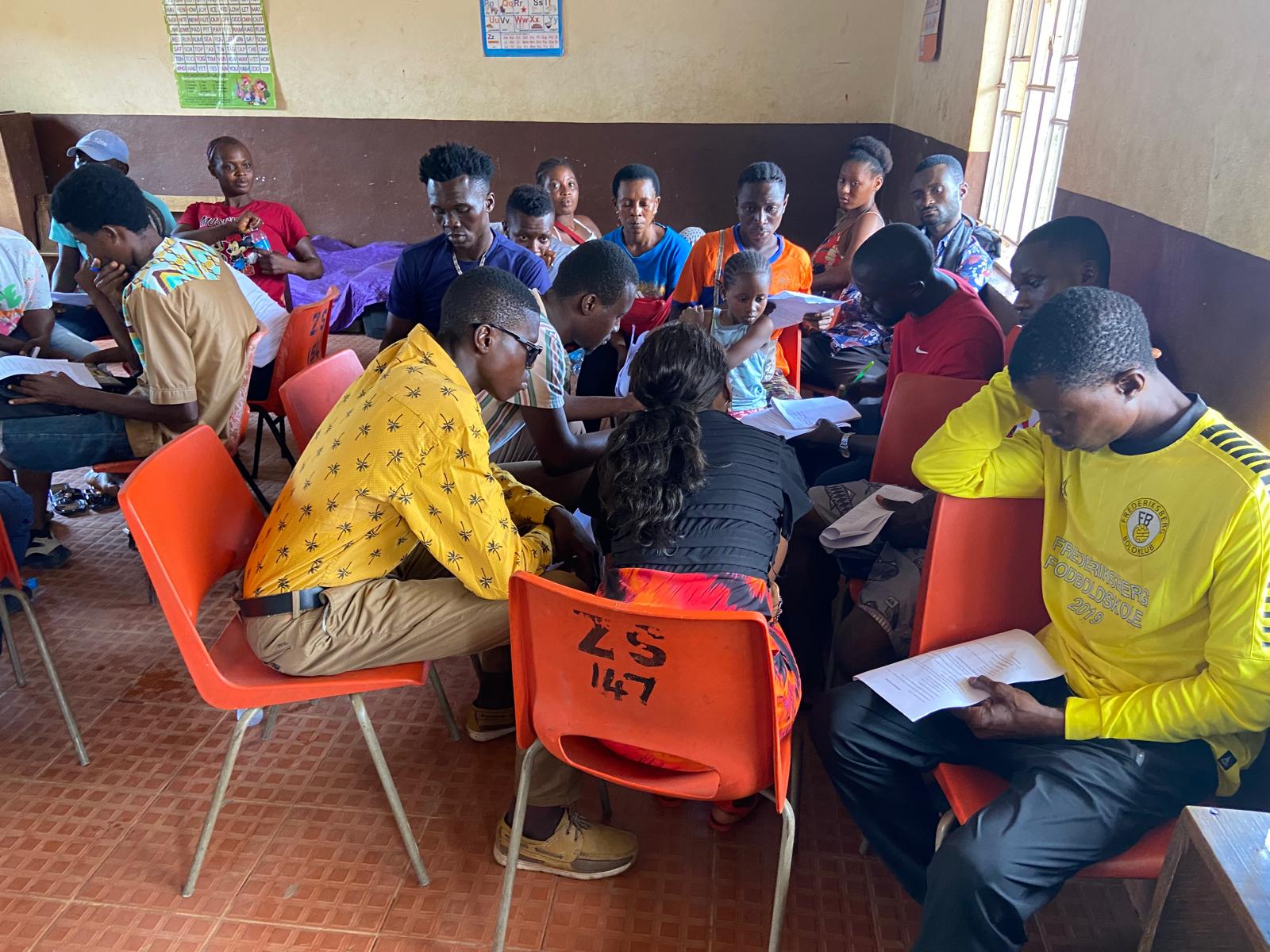
Our workshop activities are specifically designed for youth leaders from various community-based organisations, ensuring the inclusion of men, women, and people living with disabilities. We promote the participatory, youth-led production of knowledge, empowering leaders to identify problems, formulate solutions to key development questions, and reach collective decisions. These innovative solutions ultimately enhance the well-being of disadvantaged youth and their broader communities.
In most of our workshop engagements, direct actions and feedback from interactive group discussions are geared towards two pillars: Voice-Out and Step-Up.
Voice-Out
Participants express their views on the underlying questions of the group discussions. They map out the root causes of major issues, including youth violence (particularly electoral violence) and both online and offline gender-based violence. Furthermore, they focus on influencing policy, participating in decision-making, raising civic awareness, conducting deep-dive research, and advocating for youth development.
Step-Up
Participants emphasise creating practical opportunities as an entry point for youth engagement. This enables young people to express their voices, shape development outcomes, and participate in research that explores their well-being from a broader perspective. Ultimately, this empowers youth to take the lead in driving socio-economic progress for themselves and their communities.